
Unveiling 2025: Mobile Form Statistics & UX Trends
73% of digital interactions now happen on mobile. The 2025 form statistics behind that number, what they mean for UX design, and a fix for each drop-off.

Conditional logic turns one onboarding form into the right form for each hire. How to assess your current process, pick a tool, and structure the logic flow.
Traditional onboarding processes can create significant bottlenecks in HR operations. HR teams frequently struggle with manual data entry, redundant paperwork, and frustrated new hires – challenges that directly impact employee retention and productivity.
💡 Expert Insight:
The transformation of onboarding processes through conditional logic forms represents one of the most impactful innovations in HR technology. This approach isn't just about digitization – it's about creating intelligent, responsive systems that adapt to each new hire's unique circumstances.
Let me start with a comprehensive explanation of conditional logic in HR forms.

Conditional logic in HR forms operates on a fundamental "if-then" principle that can revolutionize onboarding processes. Rather than presenting every new hire with identical forms, conditional logic creates dynamic pathways based on their responses.
📌 Pro Tip:
When implementing conditional logic, start with mapping out your most common onboarding scenarios. This helps reduce form completion time while improving data accuracy.
The core components include:
Several key advantages make conditional logic forms transformative for HR processes:
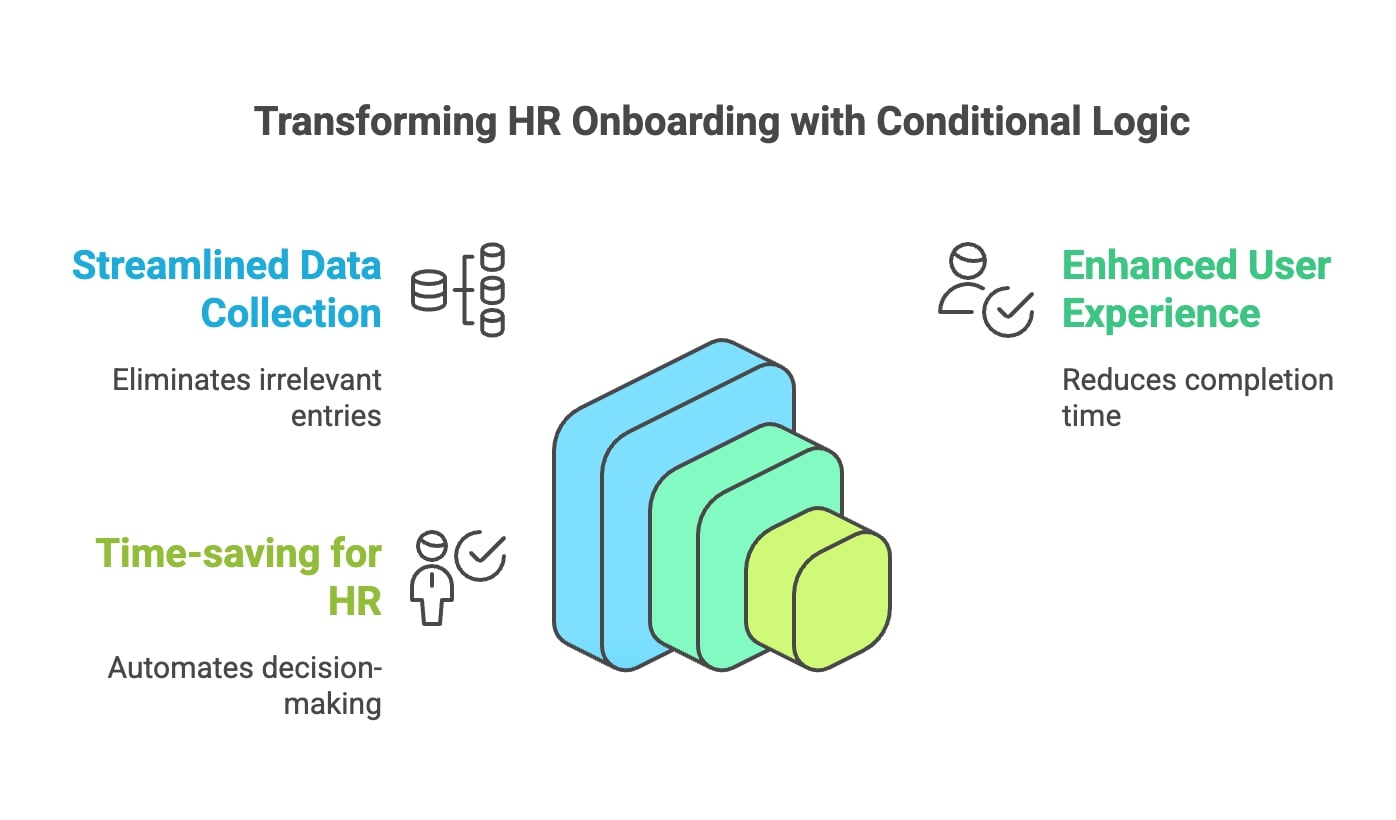
Understanding these fundamentals is crucial for a successful HR technology implementation. The next section will dive deeper into the practical implementation steps, but first, let's ensure you have a solid grasp of these concepts.
I'll guide you through the practical aspects of setting up conditional logic in your onboarding forms.
Here is a methodology for successful implementation:
📌 Pro Tip:
Before diving into tool selection, spend time mapping your current onboarding workflow. This preliminary step prevents many common implementation issues.
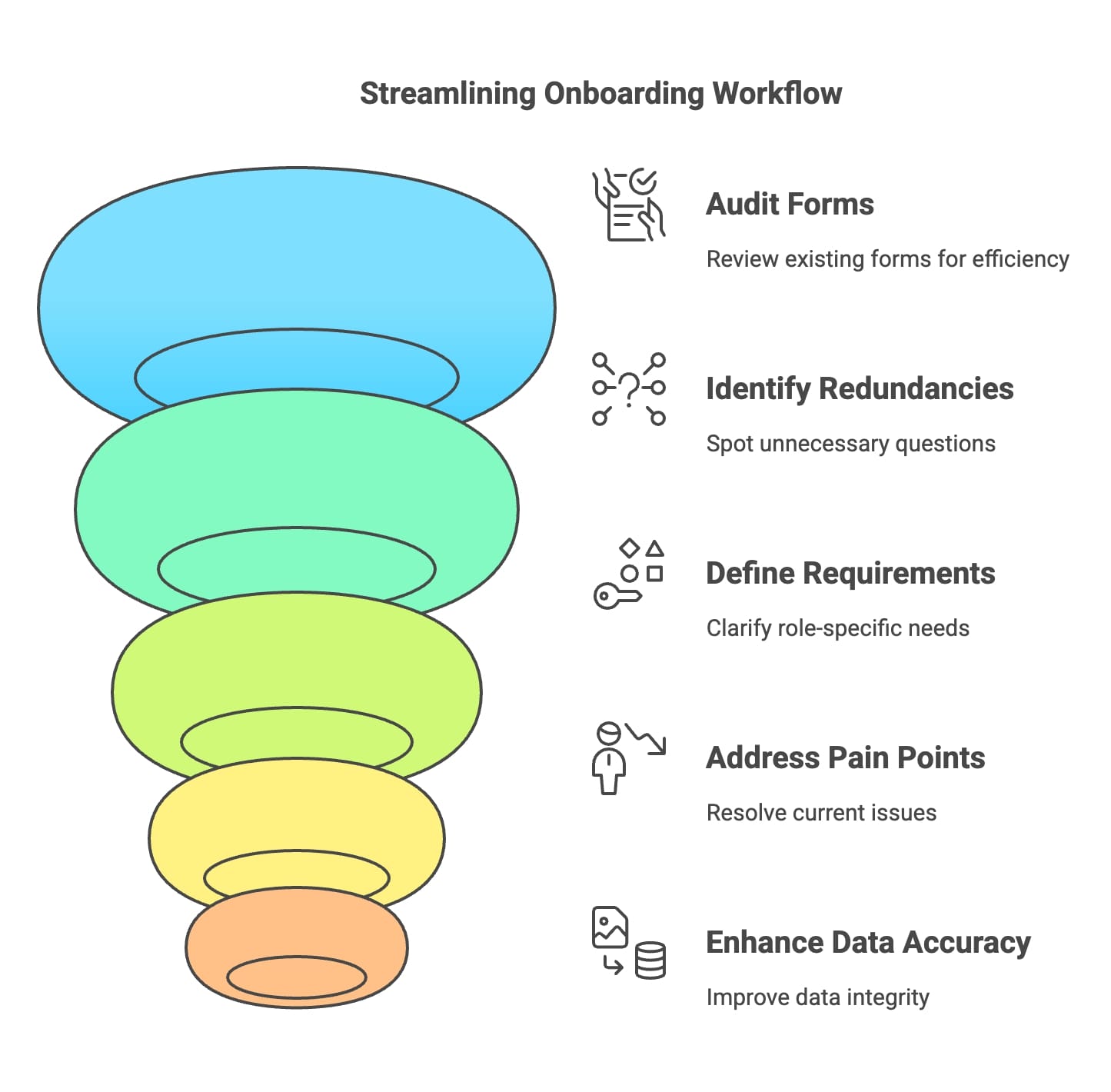
💡 Expert Insight:
The right tool should align with these critical factors:
These are the essential design principles:
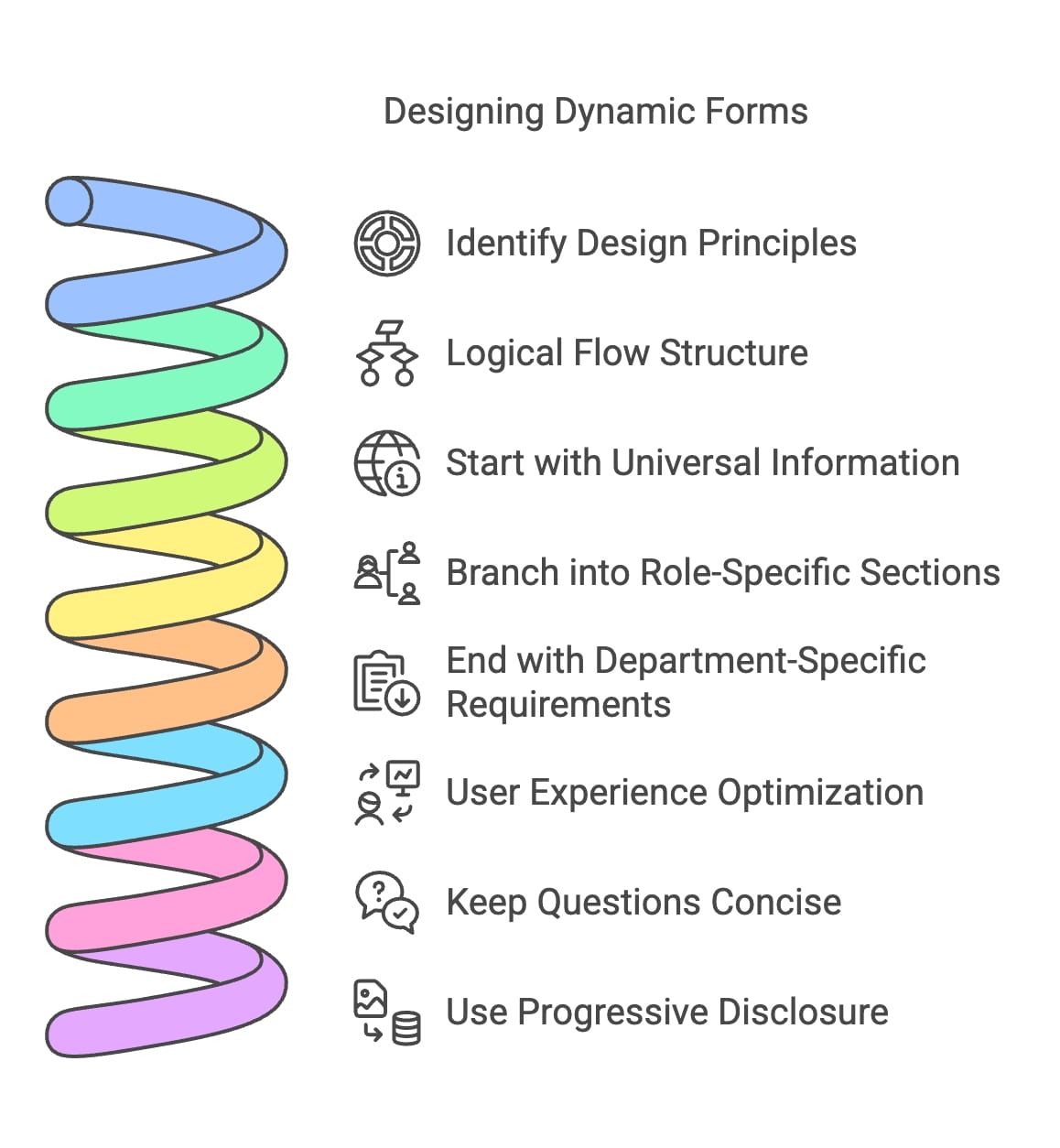
⚠️ Warning:
Complex branching logic can overwhelm users. I recommend limiting decision points to no more than 3-4 levels deep.
Here are the most effective use cases:
Here's how to overcome these challenges:
To overcome resistance:
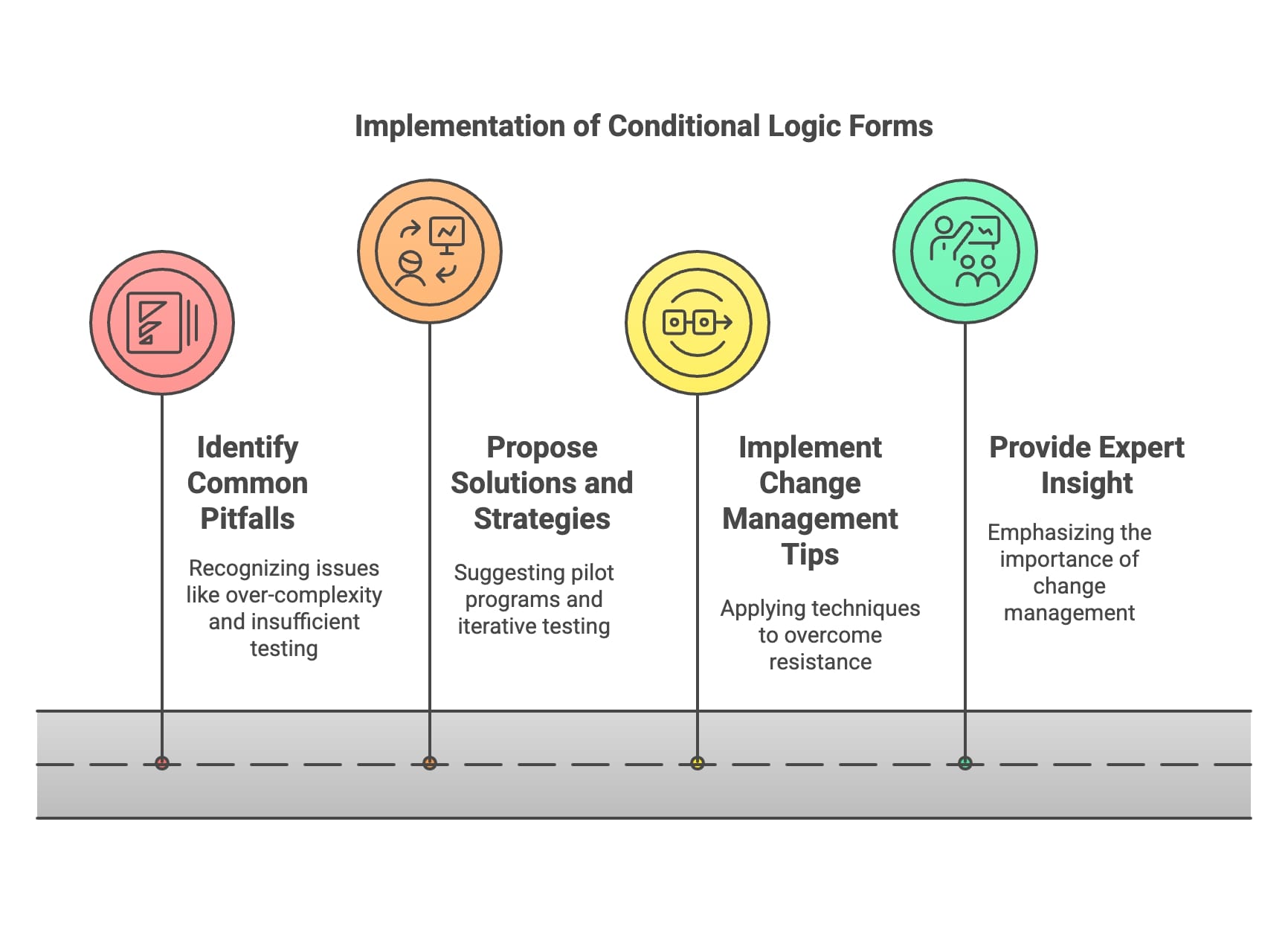
💡 Expert Insight:
Success often depends more on proper change management than on the technical aspects. I always recommend allocating at least 30% of your project timeline to training and adoption activities.
Here are concrete examples of conditional logic applied to onboarding processes.
Here are examples from different industries that demonstrate the versatility of conditional logic:
Implementation Highlights:
⚠️ Warning:
Retail implementations require special attention to high turnover scenarios. I always recommend building in extra flexibility for seasonal variations.
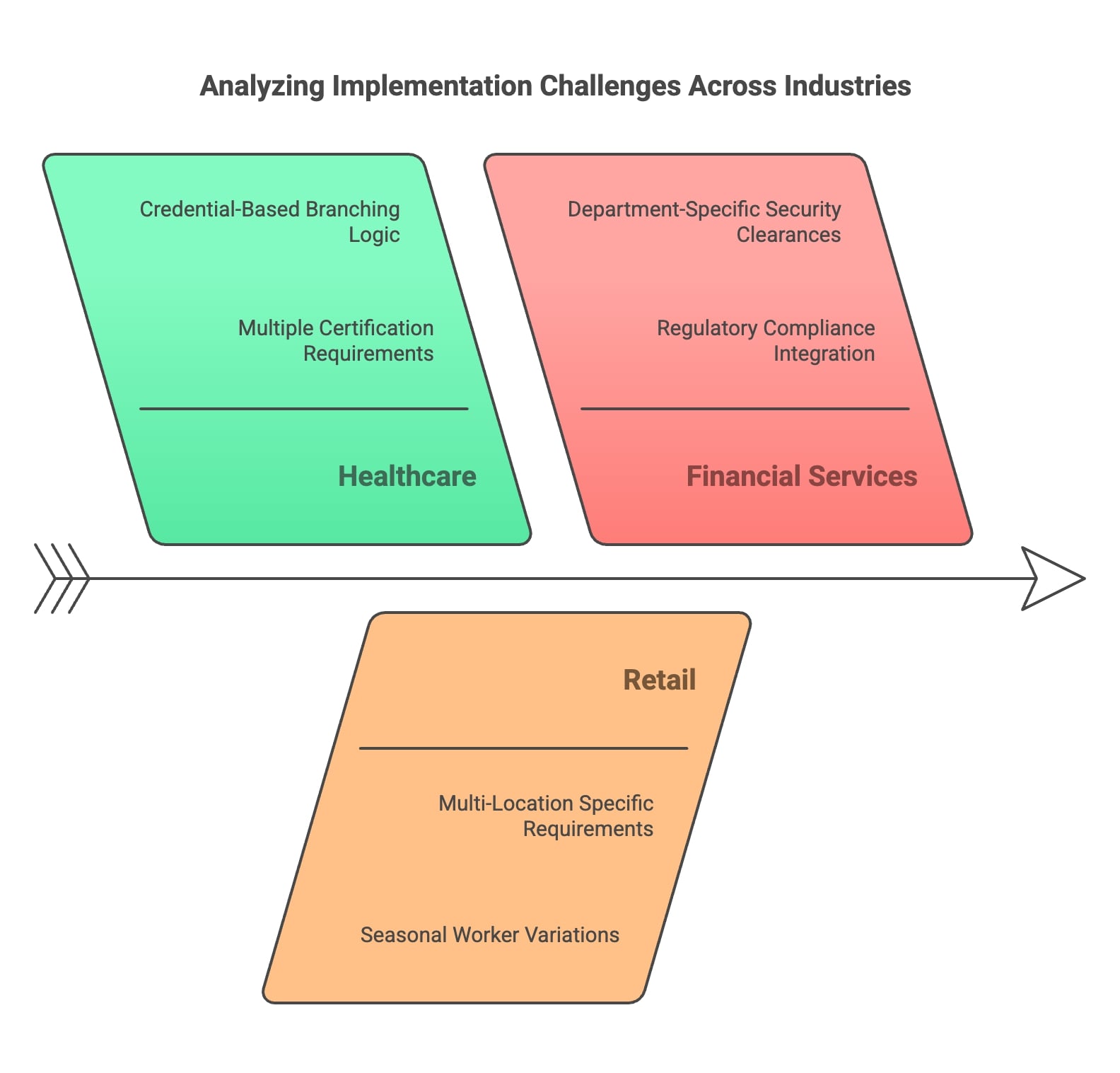
Key Features:
Before and After Implementation Flowcharts:
Traditional Process:
Optimized Process with Conditional Logic:
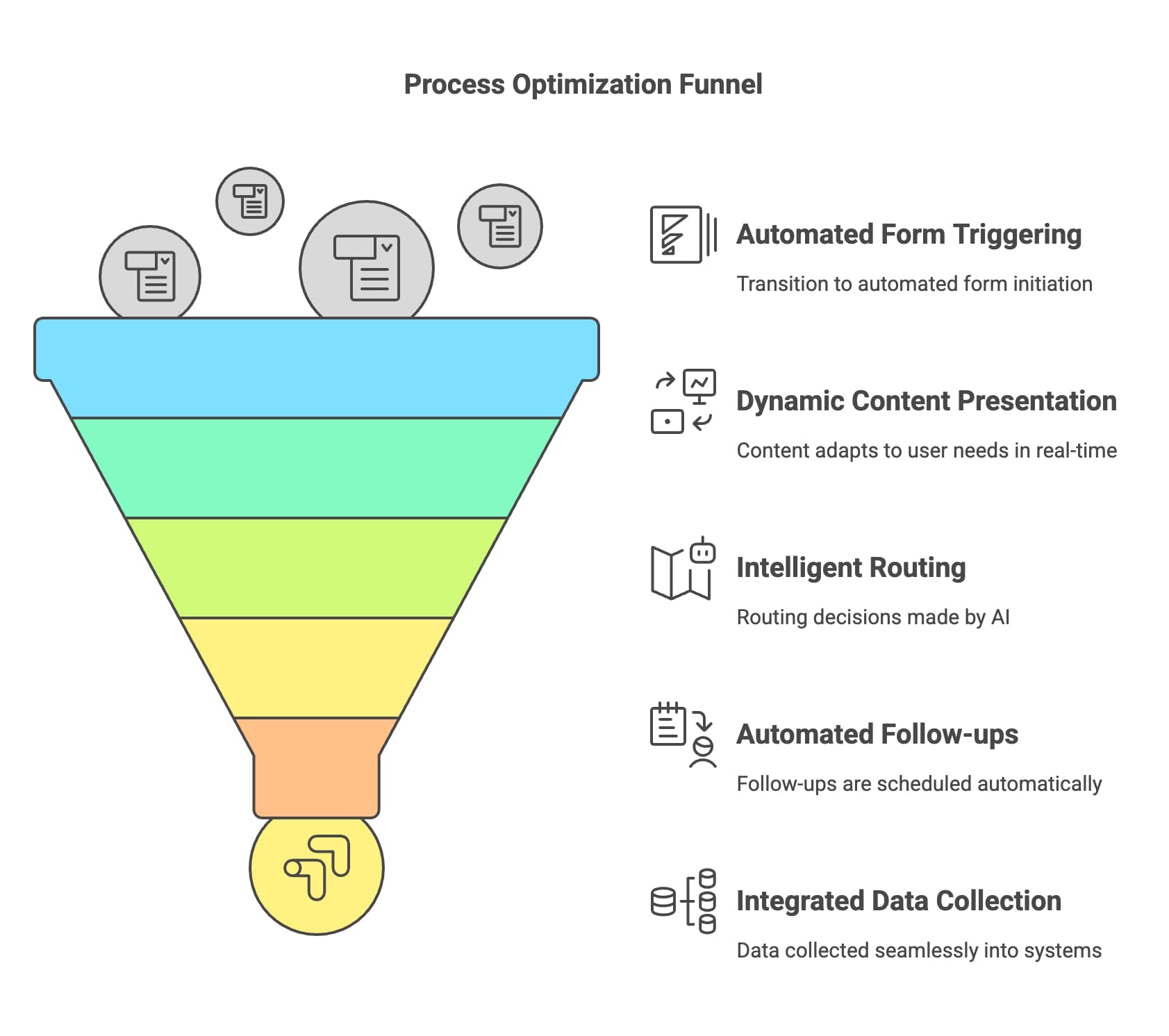
💡 Expert Insight:
The key to success lies in proper process mapping before building the conditional logic structure. Skipping this step leads to complications later.
📌 Pro Tip:
When implementing similar solutions, I always recommend starting with a pilot group of 50-100 employees to refine the logic before full deployment.
Best Practices Learned:
I'll share my insights on integrating automation tools with conditional logic forms to create a seamless onboarding experience.
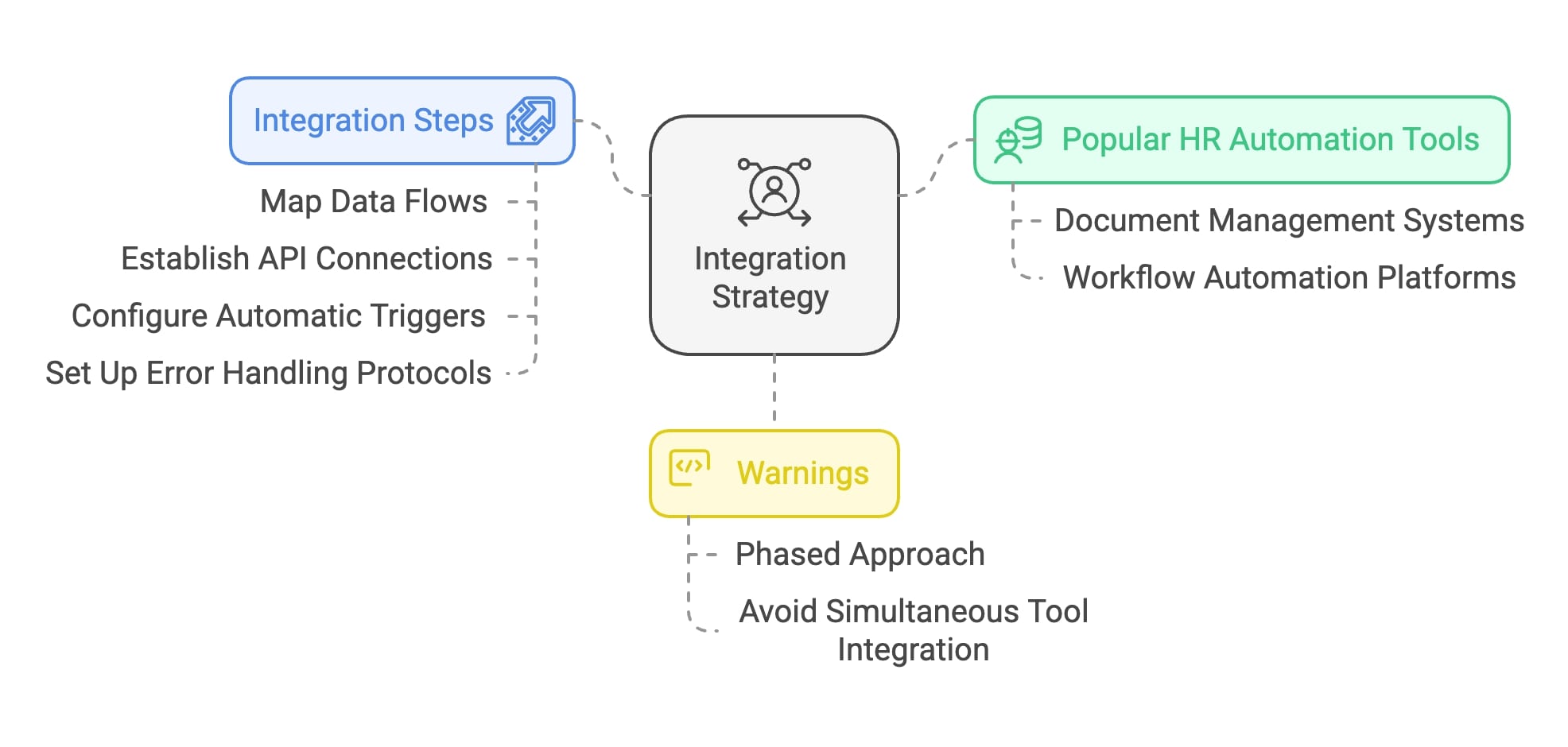
These tools work exceptionally well with conditional logic:
💡 Expert Insight:
Successful integration depends heavily on selecting tools that complement your existing tech stack. Here's my recommended approach:
⚠️ Warning:
Trying to integrate too many tools simultaneously often leads to complications. I recommend a phased approach.
Intelligent routing is crucial for maximizing efficiency gains.
Key Implementation Components:
These features deliver the most value:
Conditional Approval Chains
Smart Notifications
📌 Pro Tip:
I always recommend implementing a monitoring system to track routing efficiency. This helps identify bottlenecks and optimize workflows continuously.
These elements are crucial:
System Architecture
User Experience
💡 Expert Insight:
Successful automation depends on:
I'll share my insights on where conditional logic and HR process optimization are heading.
These capabilities are emerging:
Predictive Field Population
Natural Language Processing
💡 Expert Insight:
AI integration is becoming increasingly sophisticated. The most promising developments include:
⚠️ Warning:
While AI offers exciting possibilities, organizations must balance automation with human oversight, especially in compliance-sensitive areas.
These technologies are showing particular promise:
Blockchain for Documentation
Machine Learning Applications
My recommended approach for ongoing improvement:
Feedback Loop Implementation
Process Refinement
📌 Pro Tip:
I recommend establishing a quarterly review cycle for your conditional logic rules and workflows. This ensures systems evolve with organizational needs.
These elements are crucial for long-term success:
Scalability Planning
Compliance Readiness
💡 Expert Insight:
The most successful implementations incorporate:
Focus on these metrics for ongoing optimization:
Process Efficiency
System Performance
Conditional logic can transform onboarding processes. Let me share the key takeaways.
The most critical success factors are:
💡 Expert Insight:
Success lies not just in the technology itself, but in how it is implemented and maintained.
Here's what HR leaders should do next:
⚠️ Warning:
Rushing into implementation without proper planning often leads to suboptimal results. Take the time to build a solid foundation.
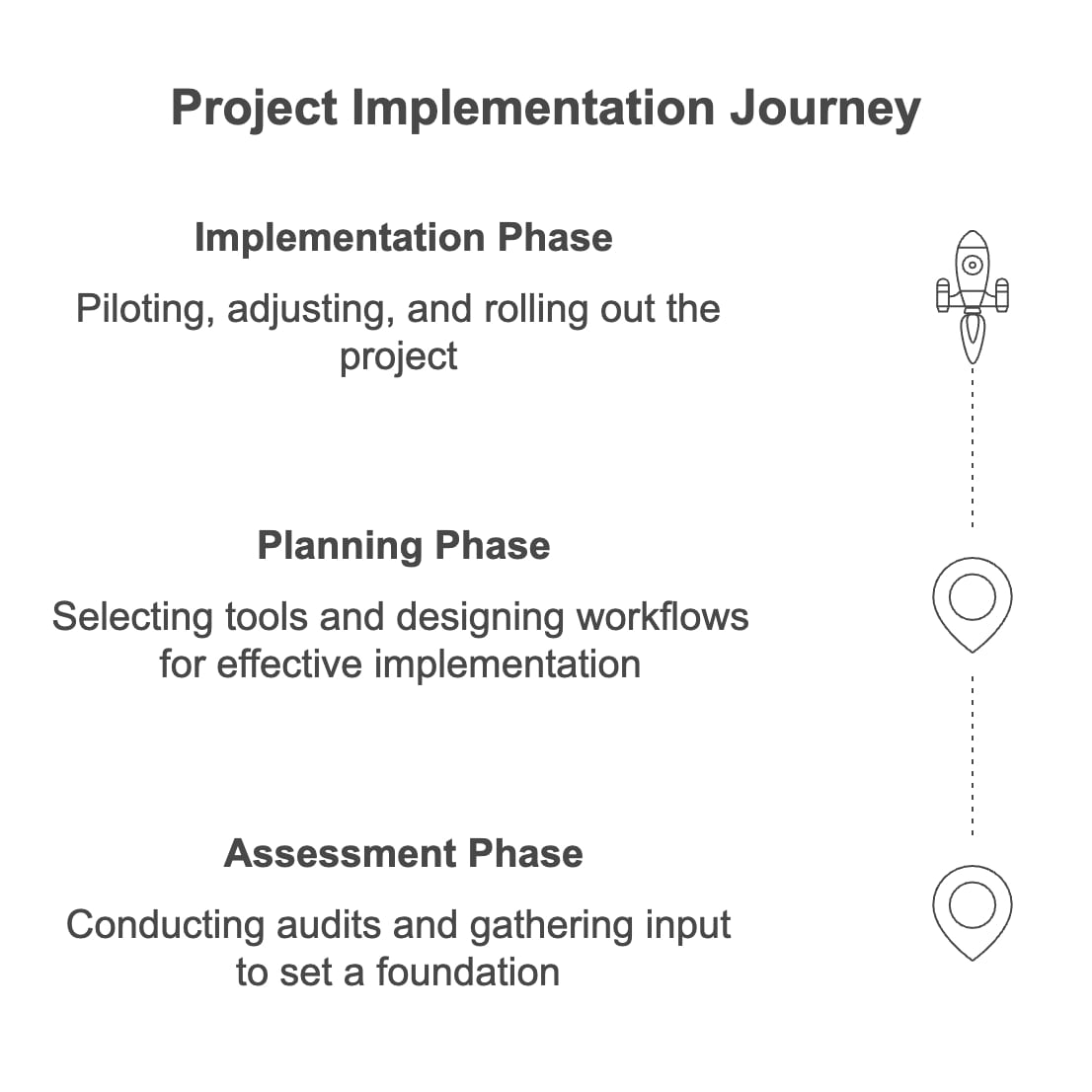
Here's my recommended action plan:
Assessment Phase (Weeks 1-2)
Planning Phase (Weeks 3-4)
Implementation Phase (Weeks 5-8)
📌 Pro Tip:
I always recommend starting with a small pilot group before full deployment. This approach helps identify and resolve issues early in the process.
Conditional logic forms represent a crucial step forward in HR process optimization. The organizations that embrace this technology now will be better positioned for future success.
Remember, this is not just about digitizing forms – it's about creating an intelligent, responsive onboarding experience that sets both your organization and your new hires up for success.
These are the most common questions about conditional logic forms in HR onboarding:
Conditional logic in forms creates dynamic pathways that show or hide questions based on previous responses. For example, if an employee selects "remote worker," they'll see questions about home office setup, while office-based employees will see questions about parking and building access.
📊 Statistics Alert: Recent data shows that companies using automated onboarding solutions save an average of 50% in processing time (Gartner, 2025).
💡 Expert Insight: A typical timeline is:
Most modern platforms offer user-friendly interfaces that HR teams can manage with minimal technical knowledge. However, I always recommend having at least one team member receive advanced training for complex modifications.
⚠️ Warning:
ROI can vary significantly based on current processes and implementation quality.
Yes. These forms are commonly integrated with:
📌 Pro Tip:
Modern conditional logic platforms include:
The main challenges include:
Most modern platforms support:
I recommend:
Successful implementations usually require:
💡 Expert Insight:
Developments are under way in:
73% of digital interactions now happen on mobile. The 2025 form statistics behind that number, what they mean for UX design, and a fix for each drop-off.

Twenty-plus statistics on no-code form builders in 2025: enterprise adoption, citizen-developer growth, what teams save, and where the market goes next.

TinyForm and Tally.so side by side for a small business: interface, form building, data and security, pricing, and support, with the real-world cases for each.
No card, no trial clock. Write the first question and see.